
The Japanese herb keeper aesthetic transcends mere gardening; it’s a meticulous art form that cultivates tranquility and beauty. This refined approach blends the ancient traditions of Japanese design with the vibrant life of herbs and plants, creating a visually captivating and emotionally resonant space. From carefully chosen color palettes to thoughtful displays and the incorporation of Japanese elements, this aesthetic offers a pathway to serenity.
This guide delves into the core principles of this aesthetic, exploring the historical and cultural influences, color palettes, material choices, and practical considerations for creating your own tranquil herb garden. It also addresses modern interpretations and provides inspiring visuals to guide you on your journey to cultivate a harmonious and visually appealing space.
Defining the Aesthetic
The “Japanese herb keeper aesthetic” is a refined and tranquil approach to cultivating and appreciating herbs, deeply rooted in Japanese aesthetics and cultural values. It transcends mere gardening; it’s an art form that embraces the beauty of nature’s bounty while cultivating a serene and mindful space. This aesthetic is not solely about the herbs themselves, but also about the mindful act of tending them, the meditative process of observation, and the harmonious integration of nature into daily life.This aesthetic blends the practicality of cultivating herbs with the artistry of Japanese aesthetics, emphasizing simplicity, natural forms, and a profound connection to the natural world.
It evokes a sense of calm and serenity, promoting mindfulness and appreciation for the delicate beauty of life’s simple pleasures. The careful arrangement and display of herbs reflect a respect for nature’s inherent beauty.
Core Characteristics
The Japanese herb keeper aesthetic is characterized by a minimalist approach, emphasizing natural forms and unadorned beauty. This manifests in the choice of plant varieties, the design of the cultivation space, and the overall presentation of the herbs. The focus is on enhancing the natural beauty of the plants rather than obscuring it with elaborate designs.
Visual Elements
This aesthetic frequently utilizes natural materials like wood, stone, and bamboo in the construction of herb gardens and containers. Earthy tones and muted colors, such as greens, browns, and grays, are prevalent, further enhancing the natural ambiance. The arrangement of herbs is often symmetrical and balanced, mirroring the Japanese appreciation for harmony and order. Transparency and openness are valued, allowing natural light to filter through and illuminate the plants, creating a sense of spaciousness and tranquility.
The use of flowing water features, like small fountains or streams, is another prominent visual element, adding a soothing and calming atmosphere to the space.
Motifs and Symbols
Common motifs include:
- Zen gardens: The principles of minimalism and balance found in Zen gardens are often incorporated, with carefully placed rocks and gravel mimicking the natural landscape. This creates a sense of peace and contemplation.
- Ikebana: The art of flower arrangement, emphasizing natural forms and balance, provides a framework for arranging herbs and flowers, promoting harmony and aesthetic beauty.
- Wabi-sabi: This philosophy emphasizes the beauty of imperfection, impermanence, and natural beauty. In this context, the aesthetic embraces the natural aging and variation of plants.
- Nature’s Imperfection: The Japanese herb keeper aesthetic embraces natural flaws and variations in the growth and appearance of plants, showcasing their natural beauty.
Historical and Cultural Influences
The aesthetic is deeply rooted in Japanese traditions, including Zen Buddhism, Shinto, and the broader appreciation for nature. These influences shape the minimalist approach, the focus on natural beauty, and the meditative quality of tending herbs. The concept of Wabi-sabi, emphasizing the beauty of imperfection and impermanence, is especially significant, reflecting a profound connection to the natural world and the acceptance of its cyclical nature.
Emotional and Sensory Qualities
This aesthetic evokes a sense of calm, tranquility, and mindfulness. The gentle rustling of leaves, the aroma of fresh herbs, and the visual beauty of the plants create a soothing and restorative experience. The act of tending to the herbs can be a meditative practice, fostering a connection with nature and a sense of peace and serenity. The carefully cultivated space invites contemplation and introspection, promoting a sense of well-being and appreciation for the simple pleasures of life.
Color Palettes and Materials
The Japanese herb keeper aesthetic, deeply rooted in nature’s tranquility, relies heavily on a carefully curated palette of colors and materials. This meticulous selection evokes a sense of serenity and connection to the natural world, mirroring the practice of cultivating and appreciating herbs. The visual language transcends mere decoration, reflecting a philosophy of mindful living and respect for the environment.
Color Palette
The color palette for the Japanese herb keeper aesthetic draws inspiration from the seasonal changes in nature. Muted tones and earthy hues are paramount, evoking a sense of groundedness and harmony. Greens, ranging from the deep emerald of lush foliage to the soft sage of delicate herbs, dominate the spectrum. Complementary colors include browns, creams, and beige, reminiscent of the natural earth and weathered wood.
Accents of charcoal gray and deep indigo are employed sparingly, adding a touch of sophistication and grounding the brighter elements. These colors, carefully balanced and applied, create a calming and visually engaging environment.
Materials
The selection of materials is crucial in achieving the desired aesthetic. Natural elements are favored, highlighting the connection to the surrounding environment. Wood, in its various forms, from smooth polished surfaces to rustic weathered planks, is frequently used. The warm tones and natural textures of wood offer a sense of warmth and grounding. Stone, with its inherent strength and natural patterns, is used in carefully chosen pieces, like small trays or decorative elements.
Ceramic, in muted tones and simple forms, provides a sense of elegance and functionality, often used for pots and containers. Textiles, such as natural linen or hemp, play a supporting role, providing a soft touch and adding warmth to the overall design.
Material Combinations
| Material Combination | Visual Impact ||—|—|| Polished wood with ceramic pots | Creates a sophisticated and refined look, highlighting the natural beauty of the wood and the sleek simplicity of the ceramics. || Weathered wood with stone trays | Emphasizes a rustic and natural aesthetic, showcasing the unique character of both materials. || Woven hemp textiles with ceramic containers | Creates a soft and inviting atmosphere, balancing the natural textures and the refined ceramic forms.
|| Raw wood with natural stone | Highlights the raw, unadulterated beauty of both materials, producing a minimalist aesthetic. || Ceramic pots with natural moss | Adds a touch of life and a sense of the natural world to the display, creating a delicate contrast between the smooth ceramic and the soft moss. |
Display Techniques
To create a harmonious and visually appealing display, the chosen materials should be arranged in a balanced and deliberate manner. Consider layering different textures and heights to create visual interest. Grouping similar items together, such as various types of ceramic pots, can create a cohesive and organized look. Strategically placing smaller elements, such as dried flowers or stones, can add depth and visual appeal to the display.
Careful attention to lighting is critical; soft, diffused light enhances the natural beauty of the materials and minimizes harsh shadows. The final arrangement should evoke a sense of calm and contemplation, inviting viewers to appreciate the beauty of the herbs and the natural elements.
Display and Arrangement
Cultivating a Japanese herb keeper aesthetic transcends mere planting; it’s about crafting a visual narrative that evokes serenity and tranquility. Careful arrangement and thoughtful display techniques are crucial to realizing the full potential of this aesthetic, transforming a collection of herbs and plants into a captivating and harmonious display. Effective displays leverage the inherent beauty of the plants, highlighting their unique forms and textures while creating a cohesive and calming atmosphere.Displaying herbs and plants requires a thoughtful approach that goes beyond simply placing them in a container.
Consideration must be given to the visual interplay of elements, achieving a balance between positive and negative space to achieve an aesthetically pleasing and calming experience. The strategic placement of herbs and plants, along with the use of lighting, creates a dynamic visual narrative, bringing the display to life.
Terrarium Displays
Terrariums, miniature ecosystems, offer a captivating way to display herbs and plants. They allow for a concentrated display, focusing attention on the intricate details of the greenery and textures. Careful selection of plants with contrasting leaf shapes, colors, and textures is vital to creating a visually engaging terrarium. Moss, small stones, and decorative elements can be integrated to enhance the miniature landscape’s visual appeal.
Shelf Arrangements
Shelves provide a versatile platform for showcasing herbs and plants. Strategic placement of different-sized containers, varying heights, and contrasting textures can create a dynamic and engaging display. The use of varying container materials, such as ceramic, wood, or metal, adds depth and visual interest. Creating a layered effect by placing smaller plants in front of larger ones adds dimension and visual appeal.
Lighting strategically placed above or below shelves can highlight the textures and shapes of the herbs and plants.
Container Displays
Containers, from simple pots to elaborate ceramic vessels, are essential components of a Japanese herb keeper aesthetic. The choice of container material, size, and shape is key to achieving the desired aesthetic. Selecting containers that complement the colors and shapes of the herbs and plants enhances the visual impact. Consider using a variety of sizes and shapes to create a layered effect.
Using natural materials such as wood or bamboo for containers can enhance the natural and calming ambiance.
Negative Space and Balance
Negative space plays a critical role in achieving a balanced and calming display. Allowing sufficient empty space between plants and containers prevents visual clutter. This creates breathing room, drawing attention to the individual plants and their unique characteristics. The deliberate use of negative space creates a sense of harmony and tranquility, allowing the viewer to appreciate the beauty of each individual herb or plant.
The use of strategic empty space can highlight the inherent beauty of the plants.
Lighting Techniques
Strategic use of lighting is critical to enhancing the visual appeal of the display. Soft, diffused lighting, such as ambient lighting or indirect sunlight, creates a calming and inviting atmosphere. Using LED lights or spotlights can accentuate specific plants, highlighting their unique shapes, textures, and colors. Proper lighting can transform a display from a simple collection of plants into a captivating visual narrative.
Lighting should be selected to enhance the natural beauty of the herbs and plants without overwhelming the overall aesthetic.
Display Style Comparison
| Display Style | Key Features | Advantages | Disadvantages |
|---|---|---|---|
| Terrariums | Miniature ecosystems, intricate details | Focused display, detailed visual appeal | Limited space, potentially cramped look |
| Shelves | Versatile platform, layered effect | Dynamic and engaging display, adaptable to different plant sizes | May require more space, need to carefully consider height differences |
| Containers | Variety of materials, sizes, and shapes | Visual interest, adaptable to different plant sizes and textures | Potential for clutter if not carefully arranged |
Incorporating Japanese Elements
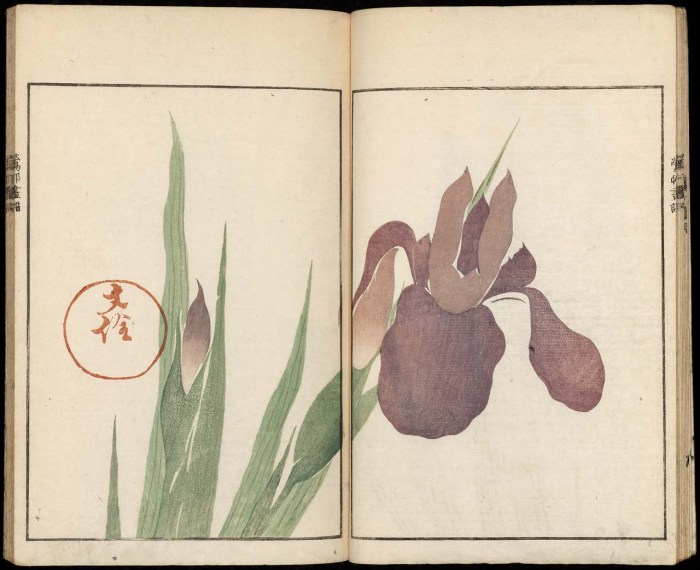
The Japanese herb keeper aesthetic draws heavily on the principles of Japanese design, infusing a sense of serenity and tranquility into the space. By incorporating elements like calligraphy, ikebana, and minimalist principles, the aesthetic cultivates a connection to nature and ancient traditions. This approach extends beyond mere decoration; it fosters an immersive experience that speaks to the heart of Japanese culture.Japanese design philosophy emphasizes harmony with nature and the surrounding environment.
This approach manifests in the selection of materials, arrangement of displays, and incorporation of symbolic elements. These choices contribute to a serene atmosphere, promoting mindfulness and appreciation for the beauty of the natural world.
Calligraphy
Calligraphy, a deeply ingrained part of Japanese culture, serves as a powerful visual element. Its graceful strokes and evocative forms add a touch of artistry to the herb keeper’s space. The use of traditional Japanese scripts, such as Shodo, enhances the aesthetic appeal and adds a sense of history. Examples include incorporating carefully crafted calligraphy scrolls featuring nature-inspired motifs, or displaying framed calligraphy pieces that echo the serenity of the space.
A minimalist approach, often employing black ink on white paper, complements the overall aesthetic.
Ikebana
Ikebana, the art of flower arrangement, brings the beauty of nature into the interior space. The principles of ikebana emphasize balance, harmony, and the appreciation of natural forms. Incorporating ikebana arrangements into the herb keeper’s display involves considering the symbolic meanings behind the chosen flowers. For example, cherry blossoms represent resilience and rebirth, while bamboo symbolizes strength and flexibility.
The arrangements should be carefully curated, ensuring the flowers and foliage complement the surrounding herbs and the overall design.
Minimalist Principles
Minimalist principles are central to Japanese design. This approach emphasizes simplicity, functionality, and the beauty of uncluttered spaces. This translates to a carefully curated selection of herbs and decorative items, avoiding excessive ornamentation. The focus is on highlighting the inherent beauty of the plants and the natural materials used. Empty space is not considered a void but rather an opportunity to create a sense of tranquility and calm.
Examples include choosing sleek, natural containers for herbs, and using neutral colors in the background to highlight the plants.
Traditional Japanese Gardens
Incorporating traditional Japanese garden principles into the herb keeper aesthetic fosters a deeper connection to nature. These principles focus on creating miniature landscapes that evoke a sense of peace and contemplation. The use of water features, rocks, and carefully placed plants emphasizes the concept of wabi-sabi, a Japanese aesthetic that celebrates imperfection and impermanence. Small Zen gardens, or even miniature rock arrangements, can be strategically placed to create a serene ambiance.
For instance, a miniature landscape featuring a gravel bed with carefully positioned stones, small plants, and a flowing water feature can create a tranquil atmosphere.
Practical Aspects
Cultivating a serene Japanese herb garden requires careful selection and maintenance. A thoughtful approach to plant choices, alongside sustainable practices, ensures a thriving and aesthetically pleasing space. Understanding the unique needs of each herb and plant, and incorporating low-maintenance strategies, will transform the space into a tranquil oasis.The key to a successful Japanese herb keeper lies in balancing aesthetic appeal with practical considerations.
Selecting herbs and plants that complement the aesthetic, while simultaneously considering their care requirements, is crucial. This meticulous approach will maintain the delicate harmony and tranquility of the garden.
Selecting and Caring for Herbs and Plants
Proper selection of herbs and plants is paramount for a thriving and visually appealing herb keeper space. Choosing species with low water needs, or those that can tolerate specific light conditions, will minimize the time and effort required for upkeep. Consider the specific needs of each plant for optimal growth and health.
Types of Herbs and Plants for the Aesthetic
Japanese-inspired gardens often feature herbs and plants that possess elegant foliage or fragrant blossoms. Many varieties of mint, such as the fragrant and attractive Japanese mint, are excellent additions. Other suitable herbs include ginger, various types of flowering chives, and edible flowers.
Recommended Herbs and Plants
| Herb/Plant | Care Requirements | Visual Characteristics |
|---|---|---|
| Japanese Mint | Prefers partial shade and consistently moist soil. | Attractive, finely textured foliage with a refreshing aroma. |
| Ginger | Needs well-drained soil and ample sunlight. Requires consistent moisture. | Produces striking, upright stalks and distinctive rhizomes. |
| Chives | Tolerates full sun and well-drained soil. | Displays delicate, feathery foliage and produces edible flowers. |
| Edible Flowers (e.g., nasturtiums, pansies) | Vary in needs; some prefer full sun, others partial shade; consistent watering is key. | Offer vibrant colors and delicate textures, adding visual interest. |
Sustainable Practices
Sustainable practices are vital for maintaining the aesthetic and longevity of a Japanese herb keeper space. Utilizing water-wise irrigation techniques and compost, reducing reliance on synthetic fertilizers, and choosing native or locally sourced plants all contribute to environmental responsibility. These practices are essential for preserving the garden’s natural beauty and health.
Low-Maintenance Strategies
Creating a low-maintenance herb keeper space requires careful planning. Selecting drought-tolerant herbs and plants, using efficient irrigation systems, and strategically placing plants to minimize maintenance are all crucial. These techniques will reduce the time and effort required for upkeep, allowing you to focus on the beauty and serenity of the space.
Modern Interpretations
The enduring appeal of Japanese herb keeping, rooted in centuries-old traditions, finds a vibrant contemporary expression. Modern interpretations bridge the gap between historical practices and contemporary design sensibilities, adapting the aesthetic to suit diverse lifestyles and environments. This evolution allows the spirit of tranquility and connection with nature to thrive in contemporary spaces.Modern interpretations of the Japanese herb keeping aesthetic seamlessly integrate traditional principles with contemporary design trends.
This fusion acknowledges the timeless beauty of the practice while embracing the evolution of materials, design, and cultural contexts.
Contemporary Adaptations of Traditional Practices
Traditional Japanese herb keeping emphasizes the cultivation of a mindful relationship with nature, prioritizing harmony and tranquility. Contemporary interpretations retain these core values but adjust them to suit the demands of modern life. For instance, the emphasis on minimalism and natural materials remains strong, yet modern practitioners might incorporate more readily available, eco-friendly, and sustainable alternatives. The focus on tranquility translates into the intentional arrangement of plants for visual appeal and a sense of calm in busy environments.
Modern Materials and Design Trends
Contemporary interpretations often incorporate modern materials that complement the aesthetic without compromising its essence. Sustainable and recycled materials, such as reclaimed wood, upcycled containers, and ethically sourced ceramics, contribute to the aesthetic while demonstrating a commitment to environmental consciousness. Geometric patterns, a hallmark of modern design, can subtly enhance the arrangement without detracting from the natural forms of the plants.
Integration into Different Spaces
The adaptable nature of the Japanese herb keeping aesthetic makes it suitable for diverse spaces. In homes, minimalist herb gardens in sleek, modern containers can add a touch of tranquility to any room. For offices, carefully curated arrangements can promote a sense of calm and focus. In urban settings, vertical gardens or rooftop herb displays can provide small oases of nature, connecting residents with the natural world.
Gardens, both large and small, can incorporate elements of the aesthetic to create tranquil spaces.
Examples of Contemporary Applications
A modern home office might feature a small, meticulously arranged herb garden on a minimalist wooden stand, using recycled glass containers and copper accents. The carefully selected herbs and their display would emphasize the concept of harmony and focus. Similarly, a contemporary garden might incorporate a Zen-like rock garden with carefully placed potted herbs, featuring modern ceramic pots in muted colors.
The interplay of the elements, textures, and colors creates a tranquil and calming environment.
Inspirational Visuals
Cultivating a Japanese herb keeper aesthetic transcends mere practicality; it’s about evoking a sense of serene beauty and mindful connection with nature. Visual inspiration plays a crucial role in translating this concept into tangible spaces. This section explores a range of visual influences, dissecting their elements and demonstrating how they can inform the design and arrangement of a herb keeper space.
Visual Inspiration Sources
A variety of visual sources offer inspiration for a Japanese herb keeper aesthetic. These include traditional Japanese gardens, minimalist design, and modern interpretations of nature. Examining these sources allows for a deeper understanding of the principles that guide this aesthetic.
| Visual Inspiration | Visual Description |
|---|---|
| Traditional Japanese Gardens | Characterized by meticulously crafted landscapes featuring carefully placed rocks, flowing water features, and carefully selected plants. The color palette often leans towards muted greens, browns, and grays, evoking a sense of tranquility. Emphasis is placed on natural textures, asymmetry, and the use of negative space. |
| Minimalist Design | Focuses on simplicity and functionality, often employing clean lines, neutral colors, and a limited selection of materials. This aesthetic can be adapted to a herb keeper by showcasing the herbs and plants in simple, uncluttered containers and arrangements, allowing their natural beauty to shine through. Common colors include various shades of white, gray, and black, with accents of natural wood tones. |
| Modern Interpretations of Nature | Embrace a contemporary approach to nature, often featuring abstract or stylized representations of natural forms. This can be achieved through the use of geometric shapes, vibrant colors, or a unique arrangement of plants. Modern design principles, such as modularity and adaptability, can also be integrated. |
| Japanese Ceramics and Art | Japanese ceramics often feature intricate patterns, natural forms, and minimalist designs. Works by artists such as Sōetsu Yanagi and his followers, who advocated for the use of natural materials and simple designs, offer valuable inspiration. The use of subtle glazes, earthy tones, and textured surfaces can enhance the overall aesthetic. |
Artists and Designers
Several contemporary artists and designers are instrumental in establishing the aesthetic, with their works highlighting the principles of simplicity, natural materials, and the connection to nature. These figures embody the principles of the Japanese aesthetic in their work.
- Junya Ishigami: Ishigami’s minimalist approach to design, emphasizing natural materials and clean lines, translates well into the Japanese herb keeper aesthetic. His designs often feature simple, uncluttered forms that showcase the beauty of the natural materials themselves. The emphasis on subtle color palettes, especially neutral tones, mirrors the tranquility often associated with Japanese gardens.
- Nendo: This design firm often incorporates natural materials and subtle color palettes in their creations. Their work demonstrates a respect for the inherent beauty of nature, which can be adapted for the Japanese herb keeper aesthetic by incorporating natural textures, forms, and colors in the design of containers and displays.
Inspirational Imagery
The following descriptions illustrate imagery that embodies the key characteristics of the Japanese herb keeper aesthetic.
- Image 1: A meticulously arranged herb garden in a traditional Japanese-style ceramic pot. The plants are carefully selected for their shape and color, creating a balanced and harmonious display. The container is a muted gray-blue, contrasting subtly with the rich greens of the herbs. Natural stones are incorporated for visual interest and texture.
- Image 2: A modern herb keeper, featuring a sleek, minimalist wooden shelf. The herbs are displayed in clear glass containers, allowing their natural forms to be appreciated. The lighting is soft and diffused, enhancing the subtle colors of the plants.
Creating a Mood Board
A mood board is a visual representation of a desired aesthetic. For the Japanese herb keeper aesthetic, it serves as a tangible guide, translating abstract concepts into concrete images, textures, and colors. This detailed representation aids in the visualization and execution of the design concept, ensuring consistency across various aspects of the project.Creating a mood board for the Japanese herb keeper aesthetic is a critical step in bringing the concept to life.
It allows for a comprehensive exploration of the chosen style, ensuring a cohesive and harmonious final product. This visual representation allows for the exploration of different color palettes, textures, and arrangements, ultimately translating the desired ambiance into a practical guide.
Mood Board Elements
This section details the structured components of a mood board, facilitating a comprehensive understanding of the elements involved. The key to a successful mood board is to incorporate a diverse range of elements that embody the intended aesthetic.
| Element | Description | Color Palette | Texture | Pattern |
|---|---|---|---|---|
| Dried Herbs | Images of various dried herbs, showcasing diverse shapes, sizes, and colors. | Earthy tones, muted greens, browns, and grays. | Rough, matte, or slightly textured. | Natural, organic patterns reflecting the natural world. |
| Ceramic Pots | Images of simple, minimalist ceramic pots in muted colors. | Creamy whites, soft grays, muted terracotta, and light browns. | Smooth, matte, or subtly glazed finishes. | Pottery-specific patterns, possibly featuring subtle, nature-inspired designs. |
| Japanese Textiles | Images of Japanese fabrics like furoshiki, washi paper, or silk. | Muted greens, browns, creams, blacks, and grays. | Smooth, delicate, and often with subtle patterns. | Geometric, floral, or nature-inspired designs. |
| Wooden Accessories | Images of natural wooden trays, bowls, and other accessories. | Warm browns, grays, and natural wood tones. | Smooth, rough, or with natural wood grain. | Natural wood grain. |
| Japanese Calligraphy | Images of Japanese calligraphy related to nature or herbs. | Black, dark gray, or brown inks on a light background. | Smooth, elegant. | Cursive or stylized fonts, featuring nature-related words. |
Creating the Mood Board
A well-structured mood board is crucial to a successful project. The process should be systematic, with a clear understanding of the desired visual and emotional impact.
- Gathering Materials: Gather images, fabric swatches, and other elements representing the Japanese herb keeper aesthetic. Sources can include magazines, websites, or even your own personal collection of nature photographs.
- Organizing Elements: Arrange the collected elements on a large surface like a wall or a table. Group similar elements together to enhance visual flow.
- Color Harmony: Ensure color palettes are consistent and complementary, reflecting the desired mood and ambiance. Using a color wheel or similar tool can assist with this process.
- Texture and Pattern Integration: Pay close attention to the textures and patterns in the selected elements. Aim for a cohesive visual experience, and strive to incorporate a range of textures and patterns.
Visual and Emotional Impact
The mood board aims to evoke a sense of tranquility, serenity, and appreciation for nature. The visual combination of natural materials, Japanese aesthetics, and dried herbs should create a harmonious and inviting atmosphere. The visual elements selected for the mood board should effectively communicate the essence of the Japanese herb keeper aesthetic, inspiring the design and implementation of the final product.
Space Planning
Cultivating a dedicated space for a Japanese herb keeper aesthetic demands thoughtful design, balancing the beauty of the plants with practical considerations. This dedicated space, whether a corner of a room or a completely separate area, must seamlessly integrate the aesthetic into the overall home environment. Effective space planning is crucial for maximizing both visual appeal and functionality.Careful consideration of the environment is essential.
Natural light, ventilation, and ambient sound are vital elements to create an atmosphere conducive to plant growth and enjoyment. The space must be designed to facilitate ease of maintenance, from watering to pruning.
Design Considerations for a Dedicated Space
The design should prioritize functionality and aesthetics. Consider the natural light and direction to optimize plant growth. Strategically placing plants in the space, taking into account their light and water requirements, is crucial for their well-being. Accessibility for maintenance, including easy access to water sources and tools, should be prioritized. The layout should incorporate storage solutions for tools, pots, and additional supplies.
The selection of materials should complement the overall aesthetic.
Layout Examples for Different Room Sizes
Smaller spaces benefit from vertical integration, using shelves and wall-mounted planters to maximize the visual impact. A small corner space, for instance, can be transformed into a serene herb garden with carefully chosen plants and strategically placed lighting. Larger spaces can accommodate more complex layouts, potentially featuring multiple zones for different plant types, like a dedicated area for herbs and another for decorative plants.
Consider including seating areas to facilitate relaxation and contemplation.
Integrating the Aesthetic into Existing Spaces
Existing rooms can be subtly transformed into Japanese herb keeper spaces by introducing key elements. Consider strategically placing plants in corners, on windowsills, or along walls. Incorporating natural materials, such as bamboo, wood, or stone, into existing decor enhances the aesthetic. Low-profile shelving units or wall-mounted planters can seamlessly blend the aesthetic with the room’s existing design.
The selection of colors should align with the overall color scheme of the space.
Utilizing Vertical Space Effectively
Vertical space should be fully exploited. Wall-mounted shelves, hanging planters, and tiered stands are excellent choices. A well-designed vertical garden can dramatically enhance the space, maximizing the display area while minimizing the footprint. This technique not only increases the visible display of plants but also makes maintenance easier by providing organized storage.
Floor Plan Example
| Area | Description |
|---|---|
| North-East Corner | A small, dedicated area for a collection of herbs, utilizing wall-mounted planters and a small, low table for tools and water. Natural light is optimized for growth. |
| South-West Windowsill | A larger space for more extensive herbs and decorative plants, with a small seating area for relaxing and observing the plants. |
| Entryway | Small but impactful, a display case for aromatic herbs and flowers, creating a calming entryway experience. |
The floor plan above provides a sample arrangement. The design elements could be adapted and adjusted to suit the specific dimensions and layout of the space. Emphasis on natural light and airflow should remain a primary concern.
Potential Products
Cultivating a Japanese herb keeper aesthetic necessitates thoughtfully designed products that seamlessly integrate with the space and enhance the sensory experience. Beyond simply holding herbs, these products should evoke the tranquility and mindful practice inherent in Japanese design principles. The emphasis is on functionality, natural materials, and understated elegance, fostering a connection with nature and the cultivation process.
Container Concepts
These containers are crucial to the herb keeper aesthetic, acting as both functional vessels and artistic elements. They should not only hold the herbs but also reflect the surrounding environment. Consider incorporating natural materials like bamboo, ceramic, or handcrafted wood. The design should prioritize simplicity and a muted color palette, complementing the overall ambiance. A line of containers with varying sizes and shapes would cater to diverse herb garden needs and allow for customization.
For example, a series of nesting ceramic pots in various shades of grey and muted greens could create a visual hierarchy, showcasing different types of herbs.
Lighting Solutions
Well-designed lighting is essential for showcasing the herbs and creating a welcoming atmosphere. Soft, diffused lighting, mimicking natural daylight, will highlight the subtle textures and colors of the plants. LED strip lights integrated into shelving or positioned beneath containers, casting a warm glow, could provide both functional and aesthetic illumination. Consider options that can be adjusted in intensity to suit the desired mood and time of day.
A warm white LED light would create a soft glow, complementing the natural materials and enhancing the visual appeal of the herb collection.
Tools and Accessories
Essential tools and accessories contribute to the practical and aesthetic appeal of the herb keeper space. A set of bamboo-handled shears, designed for precise cutting and crafted from sustainably sourced bamboo, could be a standout piece. A stylish herb-drying rack, made from woven rattan, would offer a functional and visually appealing solution for preserving herbs. An array of small, decorative containers in neutral tones could be used for storing seeds, planting tools, or small decorative items.
These additions enhance the practical side of herb keeping while maintaining the aesthetic harmony.
Table of Potential Products
| Product | Material | Features | Aesthetic Enhancement |
|---|---|---|---|
| Herb Container Set (Nesting Pots) | Ceramic | Various sizes, muted colors (grey, sage green), nesting design | Visual hierarchy, customizable display, subtle color palette |
| LED Strip Lighting | Aluminum, LED | Adjustable intensity, warm white light, integrated into shelving | Soft, diffused illumination, enhances textures and colors |
| Bamboo Shears | Bamboo, Steel | Ergonomic handle, precise cutting, sustainable material | Adds a touch of craftsmanship, functional design |
| Rattan Herb Drying Rack | Rattan | Woven design, multiple tiers, functional | Adds visual interest, practical storage solution |
| Seed/Tool Storage Containers | Ceramic, Wood | Small, decorative containers, neutral tones | Practical storage, complementary aesthetic, complements other elements |
Concluding Remarks
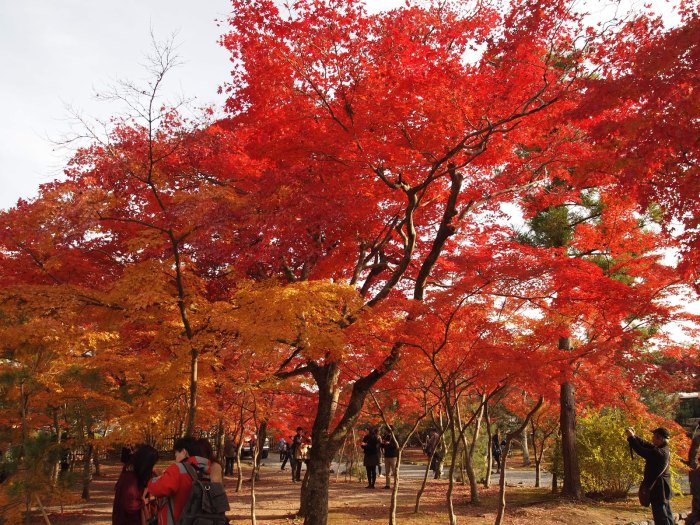
Ultimately, the Japanese herb keeper aesthetic offers a profound connection to nature and culture. By understanding the historical and cultural underpinnings, selecting the right materials and colors, and carefully arranging the elements, you can create a serene and personalized space that embodies tranquility and beauty. The practical aspects and modern interpretations ensure this aesthetic’s relevance and appeal in contemporary settings.
